1. Factors that affect how our body grows and develops
There are fourfactors that affect how our body grows and develops. Develops means how something grows or progresses. Factors are features that affect the way a thing works out. The factors that affect our body are:
a) Food
We need food to help different parts of our body grow Food can provide us with nutrients: carbohydrates, proteins, fats, vitamins and minerals.
b) Rest
Our body needs enough rest to work properly. We rest when we sleep. Children need 10 to 11 hours of sleep everyday. Adults need at least 8 hours of sleep.
c) Environment
Our environment is the surroundings in which we live. We need a clean, safe and pleasant environment to grow well and happy.
d) Health
Our body needs to be healthy to grow and develop well. We are not healthy when we fall sick.
2. How to stay healthy
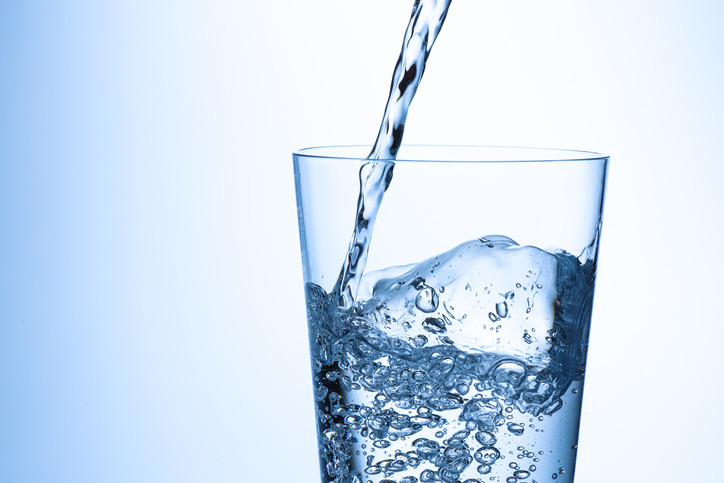
a) Keep a Balanced diet and drink plenty of water
b) Keep a good oral health by flossing and brushing your teeth everyday. Do it after every meal or at least three times a day.
c) Exercise to be fit and have strong muscles.
d) Washing hands to keep them clean and germ-free. You can sing the happy birthday song twice, and stop washing when you finish the song.
e) Getting enough rest everyday.
3. Staying away from danger
ACTIVITY
COMPLETAR CON EL NOMBRE Y APELLIDO DEL ESTUDIANTE,
We use our teeth to chew and grind food into smaller pieces that are easier for us to swallow. Our gums are the parts that hold our teeth in place. We grow two sets of teeth:
Milk teeth:
Our milk teeth start to grown when we are about six months old We have 20 milk teeth. They start to fall out when we are about seven years old.
Permanent teeth:
By the age of about 12, our permanent teeth have replaced all our milk teeth. We have 32 permanent teeth. They last our whole life. If we lose them, we will not grow a new set of teeth.
Our teeth come in four types:
Incisors:
Incisors are the front teeth.
They are sharp.
Incisors cut food when we bite it.
Canines:
Canines are found in the front corners of our mouth.
They have a pointed end
They're sharper than incisors.
Our canines help to tear food.
Premolars:
Premolars are found behind canines.
They have a flat upper surface.
Our premolars chew and crush food into smaller pieces before the food goes to our molars.
Molars:
Molars are found at the back of our mouth.
They have a large and flat upper surface.
They're larger than premolars.
Our molars chew and grind pieces of food, making the food easier to swallow.
Caring for your Teeth
We should take care of our teeth to prevent the formation of plaque.
Plaque is a sticky substance that sticks to our teeth.
It forms when the sugar in our food combines with the germs in our mouth.
Plaque can make our teeth decay (rot, get cavities, or fall off)
Ways to take care of our teeth:
Brush our teeth properly after each meal.
Change our toothbrush every three months.
Eat more fruits and vegetables, and eat less foods rich in sugar (cakes and chocolate).
Floss our teeth everyday, to clean the food trapped between our teeth and gums.
We need food to stay alive. It gives us energy to move and do many activities every day. Food also contains nutrients. Nutrients help our body grow well and to stay healthy.
Types of food
Different foods give us different nutrients. There are 4 types of nutrients:
1. Carbohydrates
Carbohydrates give our body energy.
Foods rich in carbohydrates are:
2. Proteins
Proteins help our body to grow and build different parts of our body, like strong muscles.
Foods rich in proteins are:
3. Fats
Fats help our body to store energy and keep the body warm.
Foods rich in fats are:
4. Vitamins and minerals
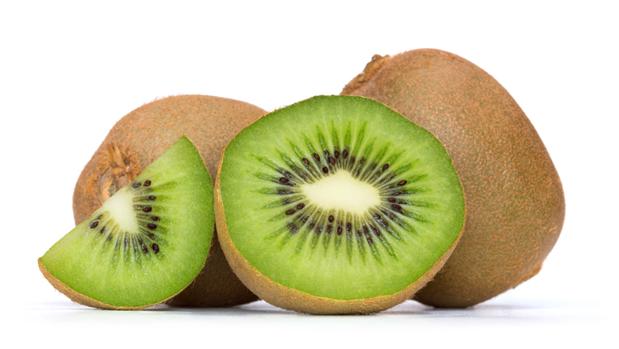
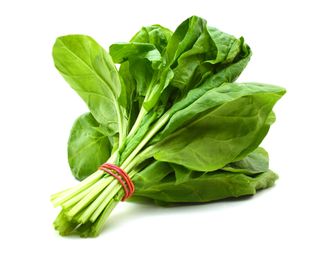
Vitamins and minerals help our body work properly and stay healthy. Vitamin A is good for our eyes. Carrots and Mangoes are rich in Vitamin A. Vitamin C keeps us from getting sick. Oranges and kiwis are rich in vitamin C. One important mineral is Calcium Calcium helps us to build strong bones and teeth. Milk and spinach are rich in calcium.
Water
Water is the main component in our body. It makes up more than half our body. It helps our body to break down the food and to take in the nutrients we need. Water helps our blood take the nutrients everywhere in our body. Water also helps us remove waste materials in our body, through sweat, urine and feaces. You can replace the water in your body by
Drinking enough water every day
Eating fruits and vegetables rich in water, such as tomatoes, broccoli, oranges and watermelon.